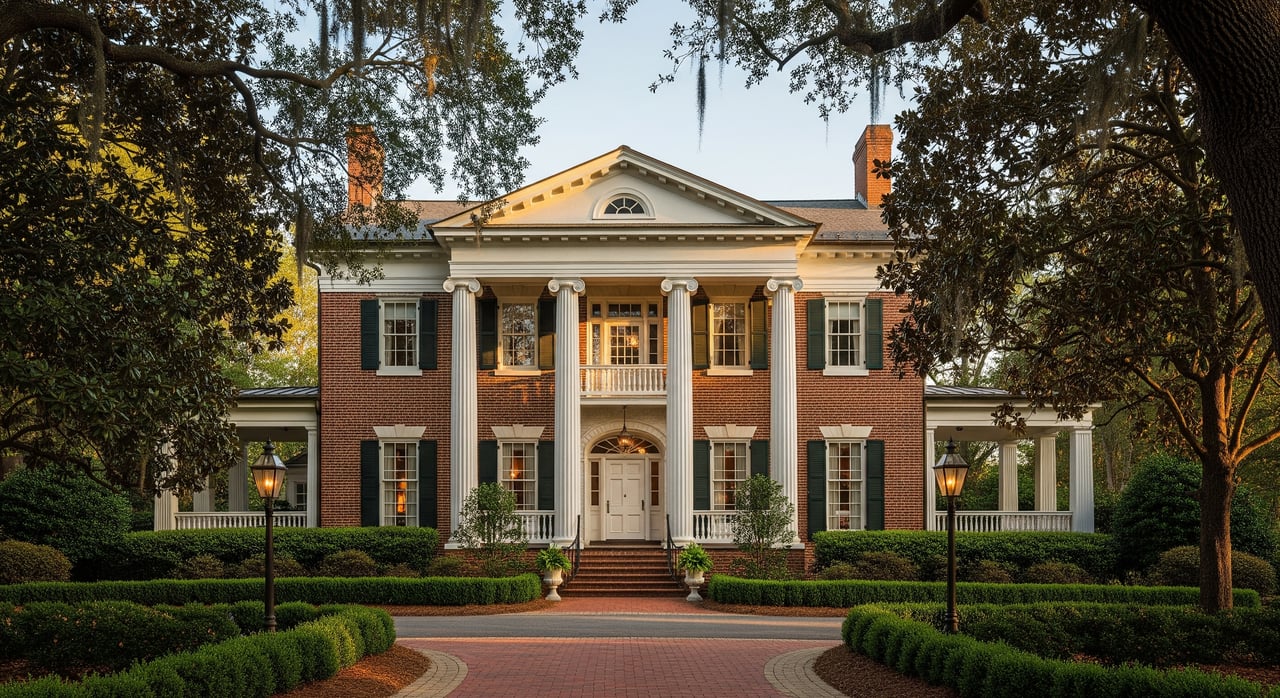
Thinking about a move to Roswell but not sure how the homes differ from street to street? You are not alone. Roswell blends a charming historic core with decades of suburban growth, which means you will see a wide mix of architecture, lot sizes, and neighborhood vibes. In this guide, you will learn the most popular home styles, where they cluster, typical lot sizes, and smart tips for touring and buying with confidence. Let’s dive in.
Historic Roswell homes
Historic Roswell centers around the Historic District, Olde Town, and the Roswell Mill and Vickery Creek area. Here, you will find Antebellum and early 20th century homes with wood or brick exteriors, deep porches, and period details. Many have been carefully restored or updated to fit modern life, all under a mature tree canopy that adds to the setting.
Lots in the historic core are often smaller, typically in the 0.1 to 0.3 acre range. A few larger historic estates do exist. If you plan exterior changes, know that properties in the Historic District may be subject to local preservation guidelines and review. Buyers who value walkability, character, and quick access to downtown shops and restaurants tend to gravitate here.
Craftsman and bungalows
You will see classic early 20th century bungalows in older parts of town and Craftsman revival homes in newer neighborhoods and infill pockets. Expect low-pitched gable roofs, inviting front porches, tapered columns, and a focus on natural materials. Newer Craftsman-style builds pair that curb appeal with open interiors and modern systems.
Lot sizes vary. Original bungalows usually sit on smaller lots, while newer Craftsman-style homes commonly fall in the 0.15 to 0.35 acre range. These homes appeal if you want charm without giving up a younger build or contemporary floor plan.
Brick ranch homes
Brick ranches and mid-century single-story homes, built primarily from the 1950s through the 1970s, dot many established Roswell neighborhoods. These homes offer single-level living, attached garages, and modest footprints that are easy to maintain.
Typical lots run about 0.25 to 0.6 acres in older suburbs, which gives space for outdoor living or a pool. Many ranches are prime candidates for thoughtful renovations, like opening walls between living spaces or updating kitchens and baths. Buyers who want fewer stairs and a larger yard often start their search here.
Two-story suburban homes
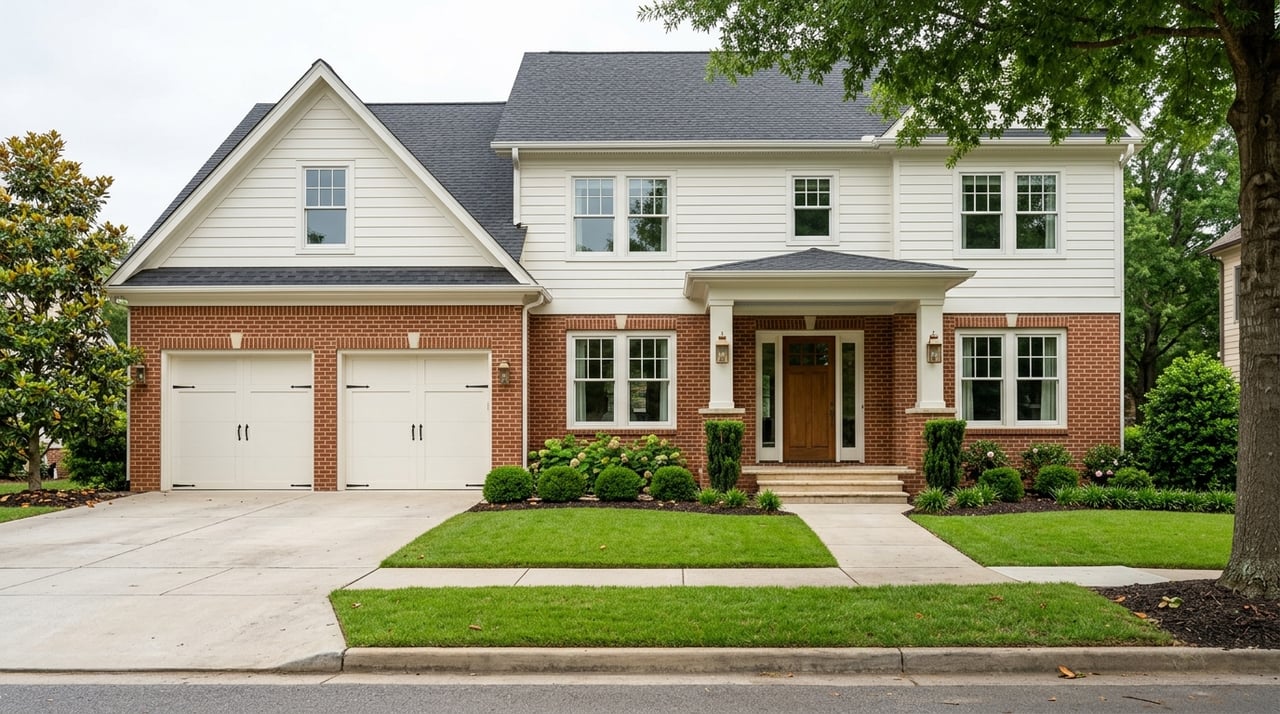
Traditional two-story homes are common in Roswell’s larger subdivisions that took shape in the 1990s and 2000s, with more examples added in recent years. These homes often include three to six bedrooms, flexible living areas, and brick or mixed-material facades. Garages are usually front-facing, and fenced backyards are typical.
Lot sizes commonly range from 0.15 to 0.5 acres depending on the community. Many neighborhoods include pools, playgrounds, tennis courts, or clubhouses. These homes suit buyers who want more interior space, neighborhood amenities, and convenient access to area schools and parks.
New construction options
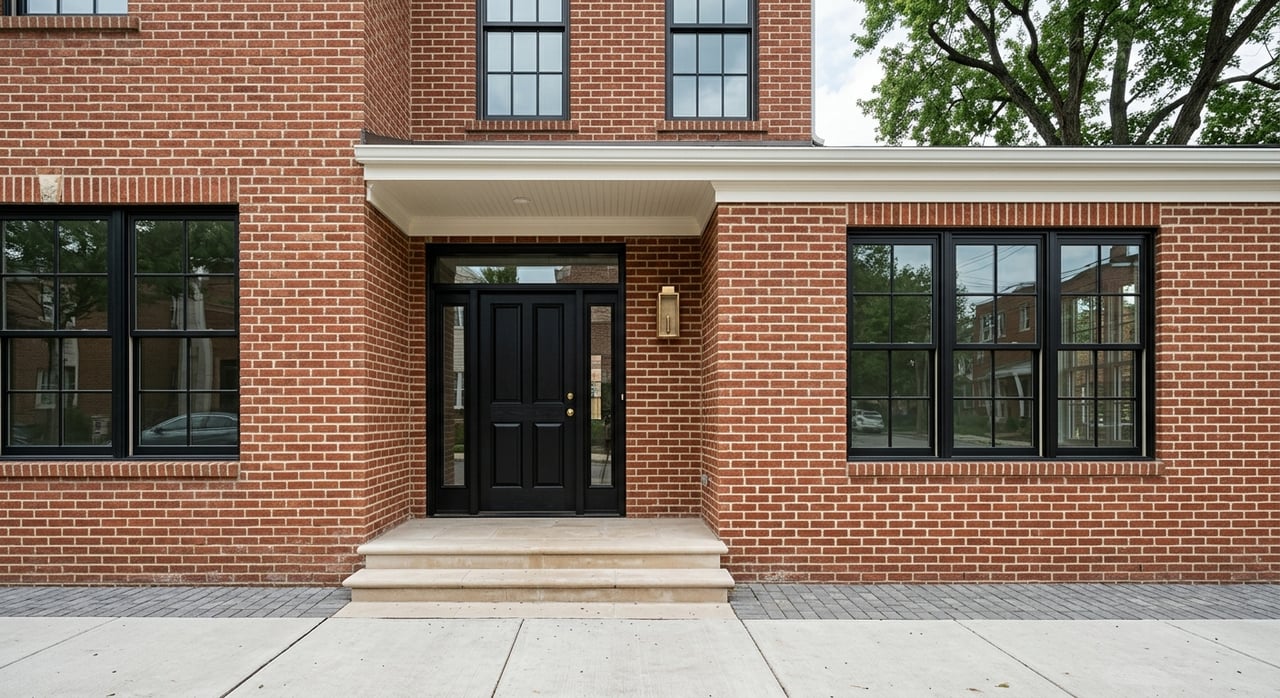
Post-2010 builds appear as both infill homes closer to downtown and new subdivisions in outlying sections of Roswell. Builders often use Craftsman, farmhouse, or transitional exteriors while delivering modern interiors. Expect open kitchens, energy-efficient systems, and flexible spaces for work or guests.
Lots can be smaller, often 0.12 to 0.30 acres, especially in higher-density developments that trade private yard size for upgraded community amenities. If you prefer low-maintenance living and a home under modern codes, this is a strong fit.
Townhomes and condos
Townhomes and low-rise condos cluster near downtown Roswell, along major arterials, and around key commuter corridors. Two- and three-story floor plans with attached garages are common for townhomes. Condos and townhomes typically come with HOA-maintained exteriors and grounds, which reduces upkeep.
Units usually range from about 1,200 to 2,500 square feet depending on age and design. This is a good match for commuters, downsizers, single professionals, or investors who want lower-maintenance ownership with convenient access to dining and services.
Riverfront and estate homes
Along the Chattahoochee River and in wooded pockets, you will find custom homes and estate properties on larger lots. These homes offer privacy and natural settings, often with easy access to trails and the river corridor.
Lot sizes in these areas frequently run from 0.5 to more than 3 acres. If you are searching near the river or Vickery Creek, consider flood zones, riparian setbacks, and potential insurance needs during due diligence. The setting is a draw for buyers who want space, nature access, and a higher degree of privacy.
Lot sizes and zoning basics
Roswell’s mix of development eras shows up in lot sizes and neighborhood patterns. In the historic core, lots are often about 0.1 to 0.3 acres. Mid-century suburban neighborhoods trend larger, typically 0.25 to 0.6 acres. Standard single-family lots in 1990s and 2000s subdivisions commonly run 0.15 to 0.35 acres, with some larger estate lots in select communities.
Newer infill single-family lots often fall between 0.12 and 0.25 acres. Attached homes, like townhomes and condos, sit on small private parcels with shared common areas maintained by an HOA. Zoning categories such as R-1, R-2, and R-3, along with planned development districts, shape allowed densities, lot minimums, and setbacks. For renovation, additions, or lot-splitting questions, consult the City of Roswell Planning and Inspections department for current maps and regulations.
Neighborhood amenities to expect
Roswell residents enjoy extensive access to the Chattahoochee River corridor, including trail systems, the Roswell Mill and Vickery Creek area, and many city parks. This outdoor network is a major quality-of-life highlight. Families and active buyers also appreciate municipal parks and ongoing greenway and trail planning across the city.
Olde Town Roswell offers restaurants, shops, cultural venues, and regular community events, which is why the historic core and surrounding streets deliver the most walkable experience. Suburban subdivisions usually require a short drive for errands, but many include community amenities like pools, tennis courts, walking trails, playgrounds, and clubhouses. Townhome and condo HOAs often cover exterior maintenance and landscaping, which can reduce weekend chores.
Roswell is served by the Fulton County Schools system, and private school options are available in the region. If schools factor into your decision, verify current boundary maps because zoning can shift from year to year. Commuters rely mostly on GA-400 and major local routes, since public transit is more limited than in urban cores.
Smart buying tips in Roswell
Older homes in the Historic District or mid-century suburbs may need updates to mechanical, electrical, plumbing, roofing, or HVAC. Build potential renovations into your budget and timeline, and factor in any historic-district design review for exterior work. For townhomes and condos, review HOA financials, reserve funding, rules, and any special assessments before you offer.
If you are shopping near the river or creek corridors, ask about FEMA flood maps, elevation certificates, and insurance implications. Larger wooded lots may include easements or buffers that affect where you can build or add a pool. For all properties, consider a thorough inspection plan that matches the home’s age and type.
Roswell touring checklist
Use this quick checklist to stay organized as you tour different styles:
- Historic or bungalow homes: Note porch condition, foundation and roof age, window updates, and any exterior work that may need review under local preservation rules.
- Brick ranches: Check for prior structural changes, the feasibility of opening walls, HVAC and electrical capacity, and potential for additions on larger lots.
- Two-story suburban homes: Review neighborhood amenities, HOA rules, bedroom and bath count, and backyard usability for pets or play.
- New construction: Ask about energy features, builder warranties, and what is included in the base price versus upgrades.
- Townhomes and condos: Confirm HOA scope, monthly fees, parking arrangements, guest parking, and any planned community projects.
- Riverfront or estate properties: Request surveys, flood data, riparian setbacks, and landscape maintenance considerations on larger parcels.
Find your Roswell fit
Each Roswell neighborhood type offers a distinct lifestyle. The historic core suits buyers who want walkability and character. Mid-century brick ranch areas deliver single-level living and larger yards. Larger subdivisions with two-story homes offer space and community amenities. New-construction pockets cater to modern floor plans and lower maintenance. Townhomes and condos simplify ownership near shopping and commuter routes. Riverfront and estate settings emphasize privacy and nature.
If you want a local guide who knows how these differences affect value, resale, and your day-to-day living, let’s talk. With more than three decades serving the north Atlanta suburbs, Patty Salerno can help you compare neighborhoods, navigate HOAs and zoning, and negotiate with confidence.
FAQs
What home styles are most common in Roswell, GA?
- You will most often see historic homes near Olde Town, brick ranches from the mid-century era, two-story suburban homes from the 1990s–2000s, newer Craftsman-style builds, and townhomes or condos near key corridors.
How big are typical lots in Roswell neighborhoods?
- Historic areas often range from about 0.1 to 0.3 acres, mid-century suburbs from 0.25 to 0.6 acres, newer subdivisions from 0.15 to 0.35 acres, and estate or riverfront areas from 0.5 to 3 or more acres.
Are there historic district rules for Roswell homes?
- Yes, homes within the Historic District may be subject to preservation guidelines and review for exterior changes, so plan projects with local rules in mind.
What should buyers know about HOAs in Roswell?
- Many townhomes and newer subdivisions have HOAs that set rules on exteriors and landscaping and collect fees for maintenance and amenities, which you should review before making an offer.
Is flood insurance a concern near the Chattahoochee River?
- Properties close to the river or Vickery Creek may fall within FEMA flood zones, so check maps, consider elevation certificates, and factor potential insurance costs into your budget.
Where can I find new construction in Roswell?
- Newer builds appear in post-2010 subdivisions and as infill homes closer to downtown, often with Craftsman, farmhouse, or transitional exteriors and modern interiors.
Are townhomes and condos available near downtown Roswell?
- Yes, attached housing is common near downtown and along major arterials and commuter routes, offering lower-maintenance living with HOA-managed exteriors and grounds.