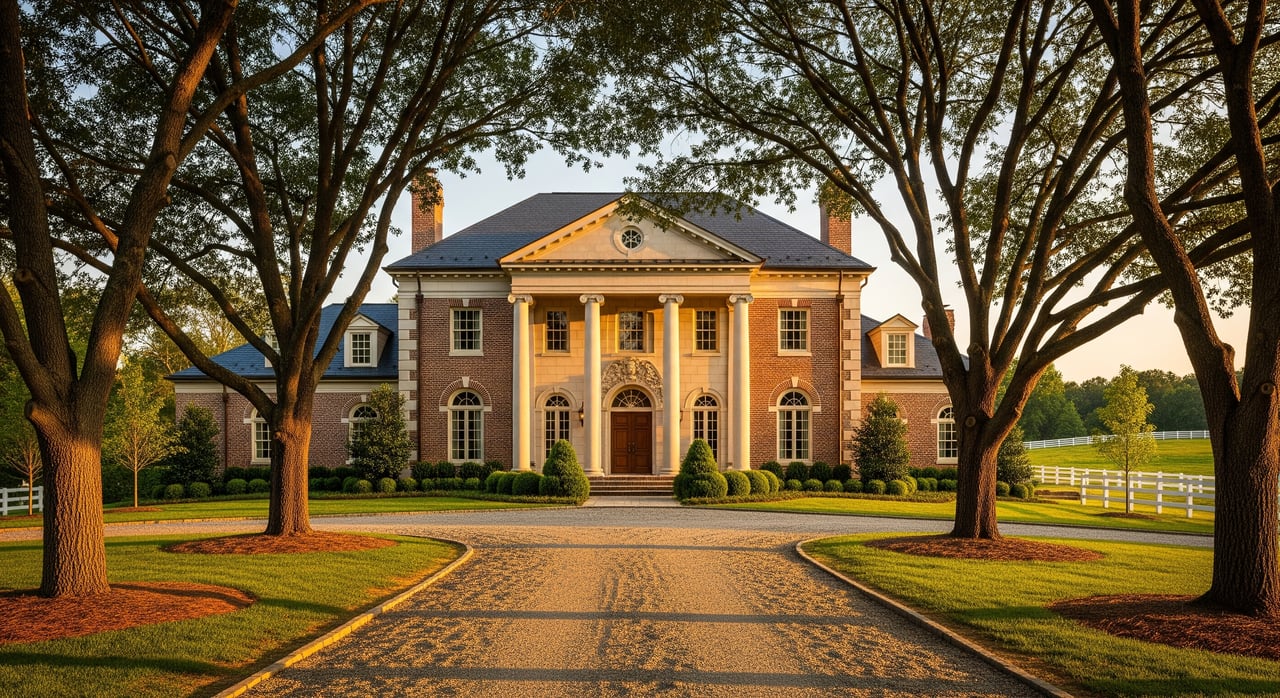
Are you planning to list a Milton estate and wondering how to price it right the first time? Luxury homes in northern Fulton County move differently than traditional neighborhoods, and a one-size-fits-all approach can cost you time and money. You need a plan that respects Milton’s acreage, equestrian amenities, and limited inventory. In this guide, you’ll learn a clear, data-driven way to set price, time your launch, and position your property to attract high-intent buyers. Let’s dive in.
Understand Milton’s luxury market
What makes Milton different
Milton’s rural character and larger parcels shape how buyers evaluate value. Local land-use policies prioritize open space and lower density, which means fewer new luxury homes and a smaller but motivated buyer pool. Inventory is thin and can shift quickly when a handful of estates hit or leave the market. That concentration makes precision pricing and strong positioning essential.
Buyer pool and financing realities
Typical buyers include high-net-worth locals, move-up empty nesters seeking privacy and amenities, and equestrian clients from metro Atlanta and the Southeast. You will see a higher share of cash and jumbo or portfolio loans. Equestrian listings sometimes require lenders who understand barns, arenas, and pasture as part of the collateral.
Seasonality and days on market
Expect unique estates to show longer days on market than tract homes. Spring and early fall often bring stronger showing activity for lifestyle properties because weather supports outdoor tours and equestrian demonstrations. Plan your launch and events to take advantage of these windows when possible.
Set your luxury threshold and comps
Define the luxury band
Start by defining luxury relative to Milton’s recent sales. A common approach is the top 5 to 10 percent of closed prices over the last 12 months. For analysis, consider separate thresholds for high-end single-family, estate acreage, and equestrian properties because the buyer profiles and valuation drivers differ.
Expand and refine comparables
Do not limit comps to the same street or subdivision. Buyers for acreage and equestrian homes accept a wider radius, often 5 to 25 miles, if the land, amenities, and access are similar. Adjust for differences that materially affect value:
- Acreage: distinguish usable, buildable acres from total acreage.
- Improvements: barn quality, arena size and footing, fencing type and condition, paddocks, and trail access.
- Site features: views, topography, driveway length and privacy.
- Residence: custom finishes, guest suites, garages, finished basement, pool, outdoor living.
- Access and utilities: well or septic versus municipal, private roads, easements.
- Zoning and use: permitted boarding, training, or subdivision potential.
- Time: adjust for trend, but be cautious with gaps over 12 to 18 months because one outlier can skew the picture.
Go beyond comps: valuation methods
Cost approach and land analysis
When your property is highly customized or comps are sparse, the cost approach helps. Estimate land value plus replacement cost of structures, then adjust for depreciation. For land-driven estates, run a per-acre analysis using recent land sales and local development potential to cross-check your price.
Income potential where it applies
If the property has income features, such as limited boarding or event rentals, you can model a conservative income approach. Always confirm permitted uses before relying on income in pricing discussions. Treat this as a secondary reference, not the primary driver, for owner-occupied estates.
Pre-listing appraisal
Engage an appraiser with equestrian and estate experience before you list. A well-documented appraisal and a broker comps package create confidence for buyers and lenders and help you navigate appraisal gaps during negotiations.
Build your pricing game plan
Clarify your objectives
Decide what matters most. You can focus on maximizing net proceeds, minimizing time on market, or targeting a specific buyer segment. Your pricing, marketing channels, and showing strategy should align with that goal from the start.
Price within a market band
Establish a luxury market band instead of a single number. Build best-case, likely-case, and conservative scenarios tied to your marketing plan and time horizon. This approach helps you adjust quickly if the market response is stronger or softer than expected.
Use the honeymoon window
Your first 30 to 45 days are the honeymoon period when the most serious buyers are watching. Front-load your media, broker outreach, and targeted advertising to capitalize on this attention. Make sure the price, photos, and remarks tell a complete and compelling story from day one.
Choose your starting strategy
- Market-competitive: list near appraised value to balance time and price integrity. Good when your buyer may need financing.
- Slightly aggressive: price a touch below perceived market to spark attention and potential multiple offers. Use when demand exists for similar properties.
- Aspirational: list higher for trophy-level uniqueness with patience for longer timelines and possible reductions.
Set a smart reduction protocol
Predefine checkpoints at about 45, 60, and 90 days to review showings, feedback, and offers. For large estates and equestrian properties, evaluation periods may run 90 to 120 days before major moves. If activity is soft, consider smaller, strategic adjustments instead of sharp cuts.
Prepare for high-end negotiations
Appraisal gaps and financing
Luxury appraisals can trail contract prices, especially for unique amenities. Reduce risk with a pre-listing appraisal, a strong comps packet, and relationships with lenders who understand jumbo loans and equestrian collateral. Share vetted lender contacts early in the process to keep buyers on track.
Inspections and timelines
Expect specialized inspections for barns, arenas, wells, septic, and soil. Build flexibility into your closing timeline to allow buyers to complete due diligence. Clear documentation and early access for inspectors can speed the path to a firm contract.
Positioning and exposure for estates and equestrian
Lead with lifestyle and specifics
Tell a clear story about how the property lives: privacy, usable pastures, barn features, arena size and footing, and access to area amenities. For multi-generational households, highlight guest houses or in-law suites. For equestrian use, specify boarding or training capacity if permitted.
Elevate visuals
Use professional photography for interiors and exteriors, drone shots to show scale, floor plans, and 3D tours. Include equestrian action images and barn walkthrough videos to demonstrate layout and equipment. Printed brochures with acreage and amenity callouts help during private tours.
Targeted distribution
Syndicate through the MLS with luxury-level remarks and rich media. Leverage luxury broker networks and targeted digital advertising focused on equestrian interests, high-income audiences, and nearby metros and states. Include retargeting for property website visitors and direct outreach to brokers who have placed buyers in similar properties.
Showings that sell
Prepare the grounds and facilities for every showing. Clean stalls, mow paddocks, and ensure wide, accessible driveways and gates. Consider curated broker previews, twilight events, or private demonstrations to showcase the property’s full potential while limiting casual traffic.
Pre-listing due diligence checklist
Before you publish a price, assemble a complete file:
- Parcel and land: current survey, usable vs total acreage, topography, drainage, and any floodplain or wetlands.
- Utilities and access: well and septic details, ages of major systems, private road agreements or easements.
- Equestrian: stall count and sizes, ventilation, wash racks, tack and feed rooms, arena type and footing, fencing type and condition, pasture setup, and any permits governing use.
- Residence: square footage, layout, recent renovations, specialty amenities, and outbuildings such as guest houses or workshops.
- Marketability: drive times to Alpharetta, Crabapple, and GA-400, proximity to equestrian facilities, and a plan for high-quality media.
- Financial and legal: property tax history, agricultural or farm-use tax status, HOA or covenants, and any conservation easements.
- Professional reports: pre-listing appraisal, structural inspections for barns and outbuildings, soil or percolation tests when relevant.
What Patty brings to your Milton sale
Pricing and presenting a Milton luxury or equestrian property takes experience, data, and reach. With more than 30 years in the north Atlanta suburbs and 170-plus closed transactions, you get seasoned negotiation and local insight from listing to close. You also benefit from omnichannel exposure through MLS and broad portal syndication, a fast valuation funnel, and a service model built on responsiveness and clear communication. If you are preparing to sell, now is the time to align your pricing, media, and launch timing for maximum impact.
Ready to set the right price and go to market with confidence? Connect with Patty Salerno for a tailored pricing plan and full-service listing strategy.
FAQs
How do you define luxury pricing in Milton, GA?
- A practical method is to use recent sales and identify the top 5 to 10 percent by price, then refine further for estate acreage and equestrian features to match the right buyer pool.
How long do Milton luxury homes typically take to sell?
- Unique estates often show longer days on market than tract homes, and the first 30 to 45 days tend to draw the most serious activity, with spring and early fall commonly providing stronger showing conditions.
How are equestrian properties priced compared with standard luxury homes?
- Pricing factors include usable acreage, barn quality, arena size and footing, fencing, pasture layout, permitted uses, and proximity to amenities, often using comps within a wider 5 to 25 mile radius.
What if the appraisal comes in below the contract price on a jumbo purchase?
- Prepare with a pre-listing appraisal and a detailed comps package, engage lenders familiar with equestrian collateral, and negotiate solutions such as price adjustments or buyer gap coverage if needed.
When is the best time to list a Milton equestrian or estate property?
- Spring and early fall often support better showings for outdoor features, but with the right pricing and marketing, you can succeed year-round by aligning media, outreach, and events with your launch window.